Usda Choice Beef Is It Grass Fed/
Free Shipping on $99+
Use Code: FreeOn99
Types of Beef
USDA Choice, USDA Prime, Kobe beef, Wagyu beef, grass fed, corn fed, dry-aged — you've seen the labels, but what do they all mean?
Problem solved. Here we've pulled together everything you need to know about the dissimilar types of beef available. Now you can select your next cut of high quality beef like a pro!
- USDA Beef Grades
The USDA has established compatible standards of quality for beefiness, based on the traits that affect the meat'south tenderness, juiciness, and flavour — primarily the level of marbling (the amount of fatty running through the meat) and the age of the animal. Prime number grade and Selection class are the peak levels of quality and the grades typically bachelor for retail purchase.
- USDA Prime number. Just the summit 5 to six percent of all beef earns the industry rating of USDA Prime. Information technology comes from young, well-fed cattle. Marbling, which is what gives a steak its juiciness, tenderness and flavor, is exceptional in Prime beef. Perfect for grilling, roasting or broiling.
- USDA Selection. Choice beef is high-quality and has moderate marbling. Choice steak and roasts are juicy, tender and full-flavored, making Option cuts ideal for grilling, roasting or broiling, only many Choice cuts are terrific for braising equally well. Selection beefiness is the most common grade found at retail.
- Veal
In contrast to the beef from older cattle, Veal is the meat of calves. Most veal comes from immature males of dairy breeds who are not used for breeding. Veal is extremely tender and is ideal for a savory meal.
- Kobe Beefiness, Wagyu Beef and American Style Kobe Beef
You lot may have heard of the renowned Japanese Wagyu cattle (Wa = Japanese, Gyu = cattle) and the exceptional beef that comes from these animals; that's because they are genetically predisposed to produce heavily marbled meat. In that location are several unlike Wagyu breeds and today many are raised in countries across Nippon, including the U.South. and Australia.
- True Kobe beef must come from the Tajima brood of Wagyu cattle and it must exist raised in the Hyogo Prefecture of Japan. Its exceptional flavor and tenderness are accompanied by an as exceptional price tag. Availability in America is very limited.
- American Way Kobe beefiness is from cattle raised in the United states and bred from the Japanese Wagyu breeds. Like Japanese Kobe beef, it is exceptionally tender, well-marbled, and flavorful.
- Some believe that Kobe beefiness and American Style Kobe beef are healthier types of beefiness because they are high in unsaturated fat, along with high levels of oleic acid, which is believed to lower bad (LDL) cholesterol.
- Crumbling Beef — Moisture Aging vs. Dry out Aging
Aging is a procedure that allows safely stored meat to improve its tenderness and flavour over time, usually 3 to four weeks. During that time some of the water in beef evaporates, intensifying its flavor. Additionally, naturally occurring enzymes begin to break downwardly muscle fibers and connective tissues, resulting in very tender beefiness.
At that place are two primary methods of aging beefiness:
- Moisture aged beef. This method requires sealing meat in airtight bags and belongings them at a refrigerated temperature of 32°F to 34°F for 3 to 4 weeks. During this process, beefiness flavor is intensified, and natural tenderization takes identify.
- Dry aged beef. Dry aging beefiness requires storing the meat uncovered in refrigerated rooms with controlled humidity and air menstruation for up to four weeks, perhaps even longer. This costly dry aged process results in a distinctive bulky flavor, with tones of nuttiness or cheese-like flavors that some diners enjoy but may be likewise intense for others.
- Grass Fed Beef vs. Corn Fed Beef
Cattle in the United States spend most of their lives eating grass in pastures. But during the last few weeks, animals can be left to graze on grass, (possibly supplemented with hay), or they may be moved to a feedyard and fed a specific nutrition of corn and/or grain along with feed ingredients (which include things like white potato hulls, sugar beets, hay or fodder). Both methods bear on the gustation and texture of the final meat product.
- Corn or grain-finished beef. Corn fed beef has been popular in America for decades. It is well-marbled with a rich, slightly sweet beef flavour that about Americans are accustomed to and look.
- Grass-finished beef. Grass fed beef is typically leaner than corn fed and has a distinctive, intense beef flavor. It has a higher percentage of healthy Omega-three fatty acids and CLA (conjugated linoleic acid) than corn fed beef, so some adopt grass fed beefiness for health reasons.
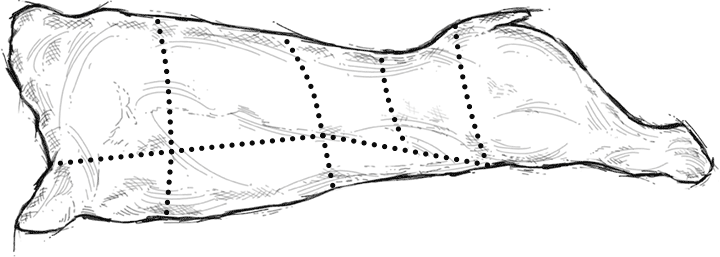
Primals & Steaks
- 1
- two
- 3
- iv
- five
- 6
- 7
- i Chuck
Flat Fe
- 2 Brisket
Brisket
- iii Rib
Boneless Ribeye
Frenched Bone-In Ribeye
Prime number Rib Roast
- four Plate
Skirt Steak
- v Short Loin
Filet Mignon
Os-In Tenderloin Filet
Tenderloin Tips/Strips
Tenderloin Medallions
Chateaubriand
T-Bone
Porterhouse
Kansas City Strip
Os-In Kansas City Strip
- 6 Sirloin
Top Sirloin
Sandwich Steaks - 7 Flank
Flank Steak
Source: https://www.kansascitysteaks.com/all-about-steaks/expert-steak-tips/types-of-beef-usda-prime-grass-fed-kobe-and-more
0 Response to "Usda Choice Beef Is It Grass Fed/"
Post a Comment